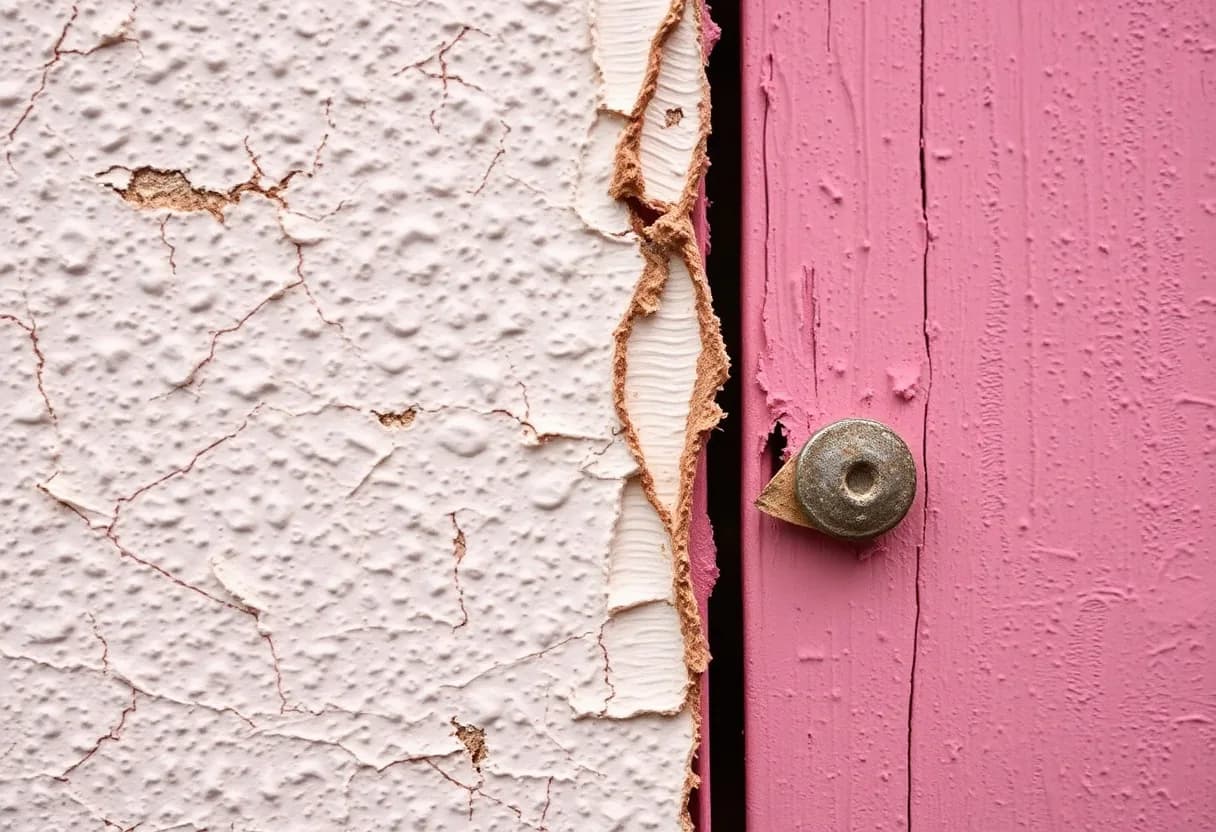
Cracking paint often signals hidden moisture damage or poor surface preparation. Bubbles form when water becomes trapped beneath the coating, weakening adhesion. Peeling usually follows exposure to extreme temperature shifts or using the wrong paint type. Ignoring these signs risks structural deterioration and costly repairs. Prevention requires clean, dry surfaces and proper priming.
Key Takeaways
Trapped moisture is the most dangerous cause of paint failure — even small leaks or high humidity create bubbles, peeling, and eventual mold.
Grease, dust, or wax on walls prevent adhesion, making bubbling and peeling inevitable even with quality paint.
Applying oil-based paint over latex (or vice versa) creates internal chemical stress that leads to cracking regardless of application quality.
UV radiation breaks down paint binders over time, causing fading then cracking — UV-resistant coatings are essential on south- and west-facing walls.
The Silent Water
Trapped moisture represents one of the most dangerous causes of paint failure. Water seeping behind surfaces creates pressure forcing paint to bubble and peel. Even small leaks or high humidity cause serious damage beneath the surface, weakening adhesion. Left unchecked, hidden dampness leads to cracking, mold, and structural harm.
The Dirty Truth
Surface Contamination
Grease, dust, or wax on walls are one of the most common causes of paint failure. These invisible layers prevent proper adhesion, so even quality paint eventually start bubbling or peeling. Thorough surface cleaning before painting represents the difference between lasting results and early breakdown.
The Chemical Feud
Incompatible paint layers create invisible conflict. When oil-based paint seals over latex or vice versa, the chemical mismatch creates internal stress that weakens adhesion. Over time, this manifests as bubbling, peeling, or cracking. Ignoring this reaction guarantees premature failure regardless of application quality.
The Solar Scorch
UV radiation breaks down binders in paint, weakening adhesion over time. Direct, prolonged exposure causes fading, then cracking, especially on south- and west-facing walls. Without UV-resistant coatings, damage accelerates rapidly, transforming smooth finishes into brittle, peeling surfaces.
The Brittle End
Paint that feels stiff, looks dull, and cracks easily shows brittleness from UV exposure and temperature fluctuations. Once the film loses flexibility, it can't handle movement in the surface, leading to cracks that invite moisture and deeper damage.
Frequently Asked Questions
Why does paint start bubbling on walls or ceilings?
Paint bubbles form when moisture or heat becomes trapped underneath the painted surface. This occurs from painting over damp walls, applying paint too thickly, or exposing fresh paint to high humidity or direct sunlight before full drying. Poor surface preparation—failing to clean grease, dust, or loose material—prevents proper adhesion and increases bubbling risk.
What causes paint to peel, especially on exterior surfaces?
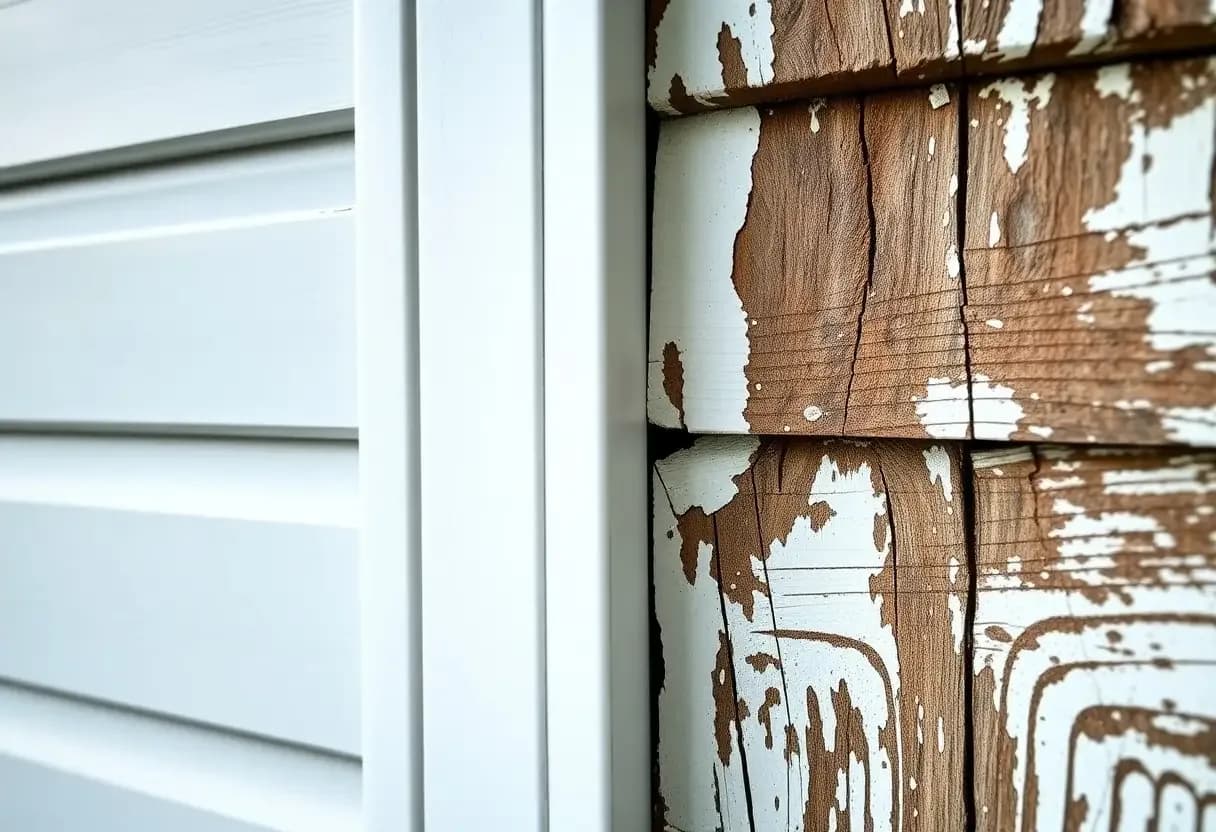
Peeling on exterior walls results from water intrusion and weather exposure. Rain, snow, or high humidity seep into cracks or porous areas, weakening the paint-to-surface bond. Incorrect priming or painting while wet causes separation over time. Older, poorly maintained paint layers peel due to natural expansion and contraction from temperature changes.
Why does paint crack, and can minor cracks lead to bigger problems?
Paint cracks when losing flexibility from aging, extreme temperature shifts, or applying thick coats. As surfaces expand and contract, rigid paint layers cannot move and eventually split. Hairline cracks seem minor but allow moisture penetration reaching underlying materials, causing rot, mold, or further deterioration. Cracking typically spreads unless damaged paint is removed and surfaces are properly repainted.
To Wrap Up
Paint bubbling, peeling, or cracking results from improper surface preparation, moisture intrusion, or extreme temperature changes. Overlooking cleaning, priming, or environmental conditions directly compromises adhesion. Addressing these factors before painting ensures lasting, smooth finishes. If you're seeing signs of paint failure in your home, Desler Painting's residential painting team can assess the damage and repaint properly — call (443) 684-4101 or email deslerpainting@gmail.com for a free quote.
More reading
More From the Crew
Exterior Painting7 min
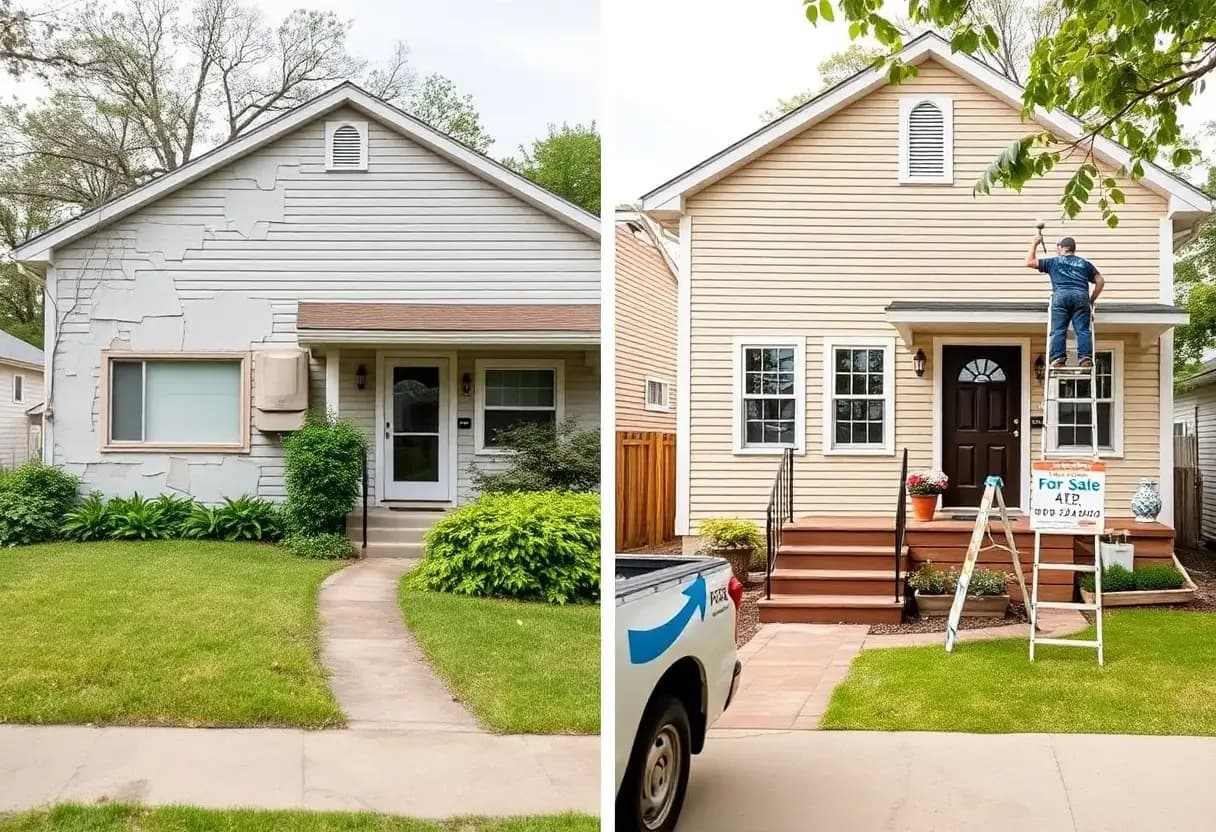
How a Professional Paint Job Can Increase Your Home's Value
A well-executed professional paint job is one of the most cost-effective upgrades you can make — boosting curb appeal, protecting surfaces, and signaling careful maintenance to buyers.
Interior Painting7 min
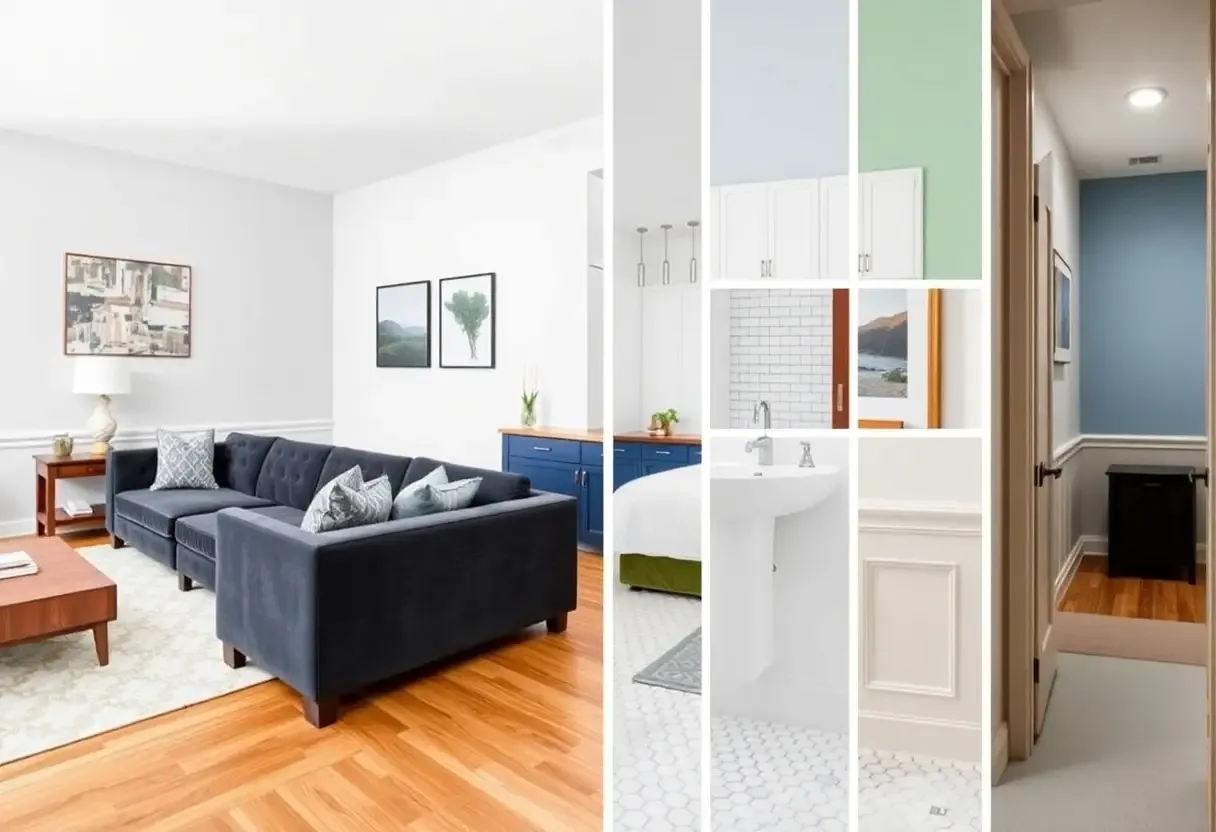
Room-by-Room Interior Painting Ideas for a Fresh New Look
Strategic color choices transform every room — from the living room salon to the bathroom bathing chamber — here are the palettes that work best in each space.
Exterior Painting4 min
How Exterior Paint Helps Defend Your Home Against Moisture Damage
Quality exterior paint is far more than color — it's the waterproof shield that keeps rain, humidity, and ground moisture from rotting your siding and walls.