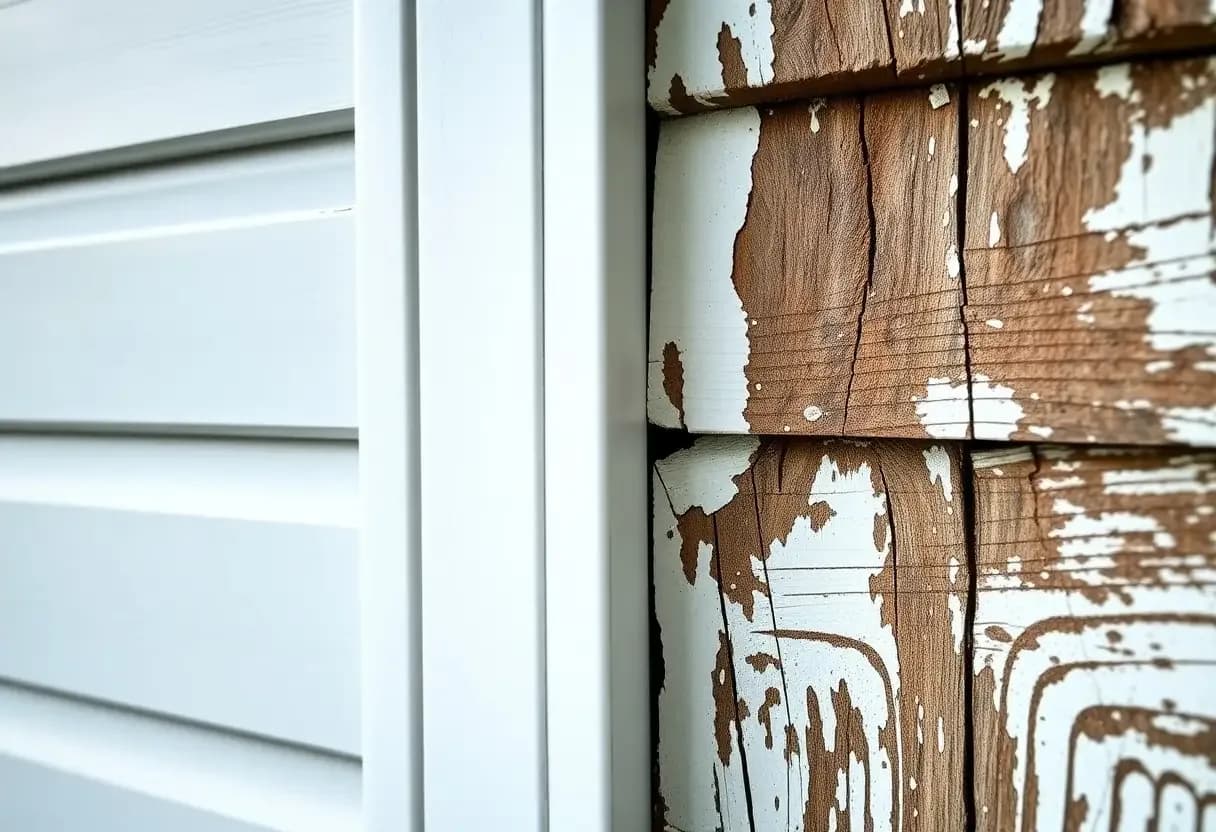
Protection begins the moment you apply quality exterior paint to your home's surfaces. A properly painted exterior forms a waterproof barrier that blocks rain, humidity, and ground moisture from penetrating walls. Without this shield, wood can rot, metal may corrode, and mold can grow inside walls. You rely on paint not just for color, but for long-term structural defense against costly water damage.
Key Takeaways
High-quality exterior paint forms a waterproof barrier that blocks rain, humidity, and ground moisture from penetrating walls.
Cracked or peeling paint exposes bare wood and masonry, accelerating rot, mold growth, and structural decay.
100% acrylic latex paint with breathable, water-resistant formulations offers the best long-term moisture protection.
A well-maintained coat works around the clock — sealing out rain, humidity, and snow without ongoing effort.
The Rain and the Wood
You face a constant threat when rain meets exposed wood. Without proper protection, moisture penetrates deep into the grain, leading to rot, warping, and structural weakness over time. A high-quality exterior paint forms a defensive barrier that repels water while allowing trapped vapor to escape. This balance keeps your home's wooden surfaces dry, stable, and resistant to long-term damage.
The Shield of the Pigment
You might not realize it, but the pigment in your exterior paint does more than provide color. It blocks UV rays that break down paint binders and expose your siding to moisture. High-quality pigments form a dense, protective layer that resists water penetration and prevents rot, mold, and structural decay. Your home stays stronger and drier when the pigment acts as an invisible shield.
The Rot of the Siding
You see soft spots or dark stains creeping across your siding — this is wood rot taking hold. Moisture slips through cracks in worn paint, feeding fungi that break down the structure. Once decay starts, it spreads fast, weakening support and inviting pests. A solid paint barrier stops water before it infiltrates, preserving your home's integrity and preventing costly repairs.
The Humidity in the Air
You face invisible threats daily, and humidity is one of them. Excess moisture in the air penetrates unprotected surfaces, leading to peeling paint, rot, and mold. A high-quality exterior paint acts as a barrier, resisting absorption and keeping water vapor from damaging your home's structure. Without this protection, wood swells and siding deteriorates, inviting costly repairs. You stay ahead by choosing breathable yet moisture-resistant finishes that defend year-round.
The Right Kind of Armor
Choosing the Best Protection
Your home faces constant exposure to rain, humidity, and temperature swings. A high-quality exterior paint acts as a powerful barrier against moisture intrusion, sealing out dampness that leads to rot and mold. Look for formulations with superior breathability and water resistance — they let trapped vapor escape while keeping liquid water out. This balance is imperative for long-term structural health and prevents costly interior damage over time.
The Constant Watch
Your exterior paint acts as a silent guardian, standing between your home and the elements every single day. Even when you're not looking, it's actively resisting water intrusion, sealing out rain, humidity, and snow. A well-maintained coat means fewer chances for rot, mold, or structural harm to take hold. You benefit from protection that works around the clock — no alarms, no effort, just consistent defense built into your home's surface.
Summing Up
Your home's exterior paint acts as a protective shield against moisture, preventing water from seeping into walls and causing rot, mold, or structural deterioration. A high-quality, properly applied paint layer seals surfaces, resists weathering, and maintains your home's integrity over time. You ensure long-term protection and durability simply by keeping paint in good condition.
Frequently Asked Questions
How does exterior paint protect my home from moisture damage?
Exterior paint forms a protective barrier on your home's siding, preventing water from seeping into the underlying materials. Quality paint seals pores and gaps in surfaces like wood, stucco, or masonry, blocking rain, humidity, and ground moisture. When moisture can't penetrate, it reduces the risk of rot, mold, and structural weakening. Paint also helps resist fungal growth in damp conditions, keeping surfaces healthier over time.
Can peeling or cracked paint lead to moisture problems?
Yes. When paint starts to crack, blister, or peel, it exposes the building materials beneath to the elements. Rainwater and morning dew can soak directly into bare wood or masonry. Over time, this trapped moisture causes wood to swell and decay, promotes mold behind walls, and can even compromise insulation. Regular inspection and timely repainting stop small cosmetic issues from turning into serious moisture damage.
What type of exterior paint offers the best moisture resistance?
100% acrylic latex paint is widely recommended for moisture-prone areas. It expands and contracts with temperature changes, maintaining a tight seal on surfaces. It's also breathable, allowing interior moisture vapor to escape while blocking outside water. Look for paints labeled 'water-resistant' or 'mold-resistant,' especially for shaded or high-humidity zones like north-facing walls or near sprinklers. Proper surface prep and two-coat application maximize long-term protection.
Protect Your Home's Exterior Before Moisture Takes Hold
If your siding is showing signs of peeling, fading, or soft spots, now is the time to act. Desler Painting has served Huntingtown, Owings, Dunkirk, Sunderland, Prince Frederick, Port Republic, and Chesapeake Beach for over thirty years. Owner and lead painter Dale Miller and his team are licensed and fully insured. Call us at (443) 684-4101 or email deslerpainting@gmail.com to schedule an exterior painting estimate and put a proper moisture barrier on your home.
More reading
More From the Crew
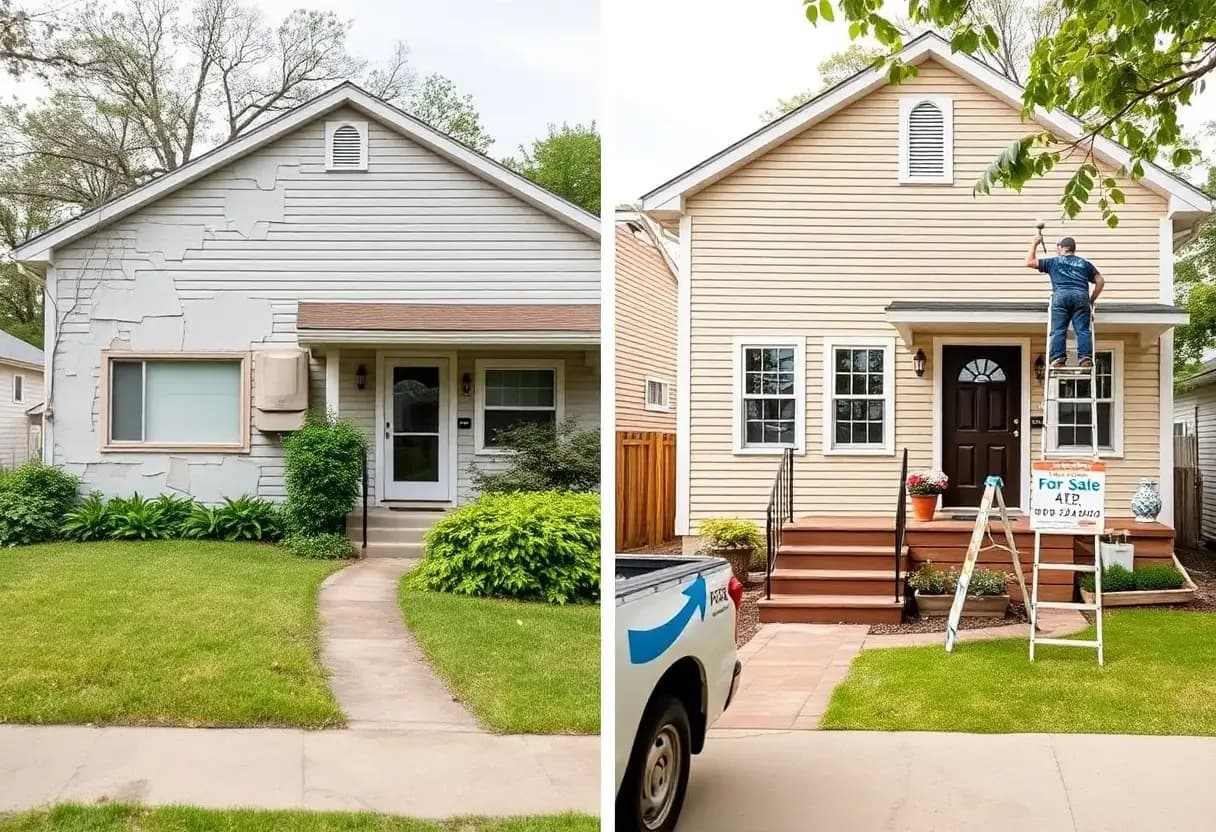
Exterior Painting7 min
How a Professional Paint Job Can Increase Your Home's Value
A well-executed professional paint job is one of the most cost-effective upgrades you can make — boosting curb appeal, protecting surfaces, and signaling careful maintenance to buyers.
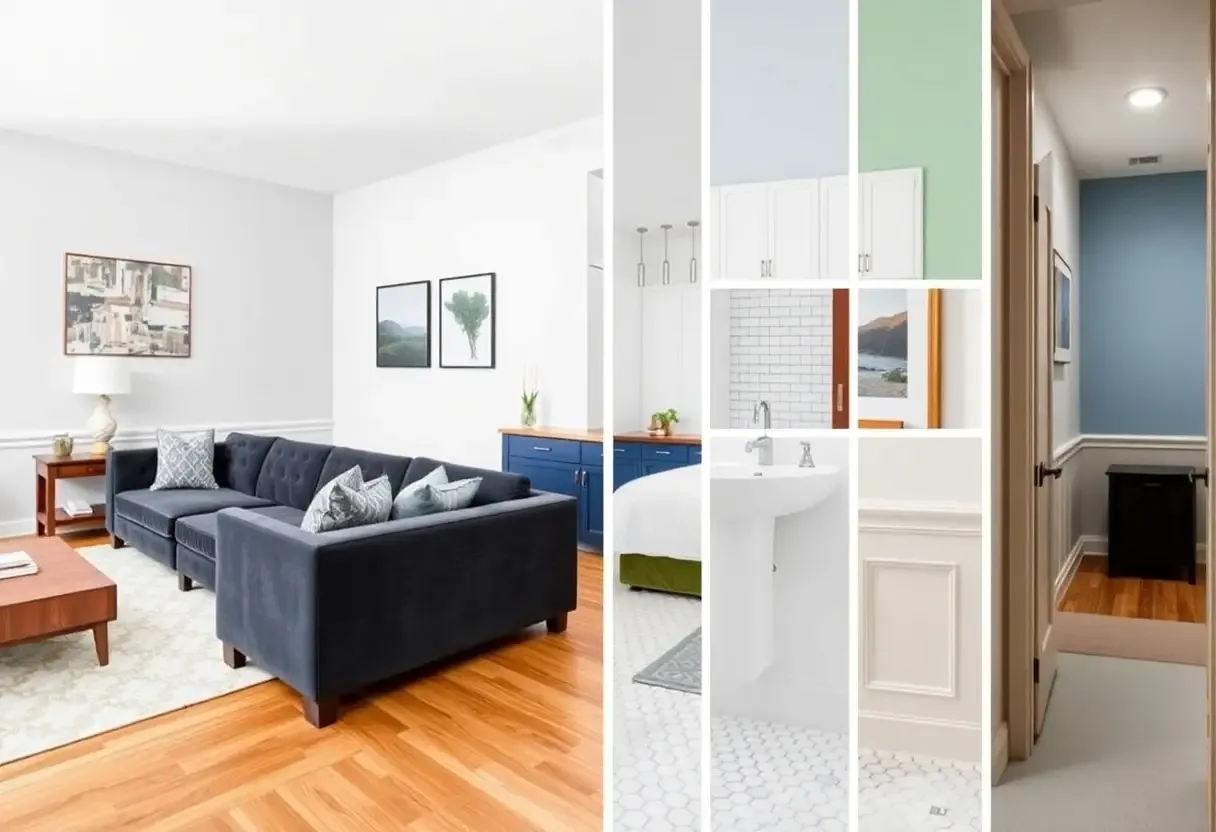
Interior Painting7 min
Room-by-Room Interior Painting Ideas for a Fresh New Look
Strategic color choices transform every room — from the living room salon to the bathroom bathing chamber — here are the palettes that work best in each space.
Choosing a Contractor6 min
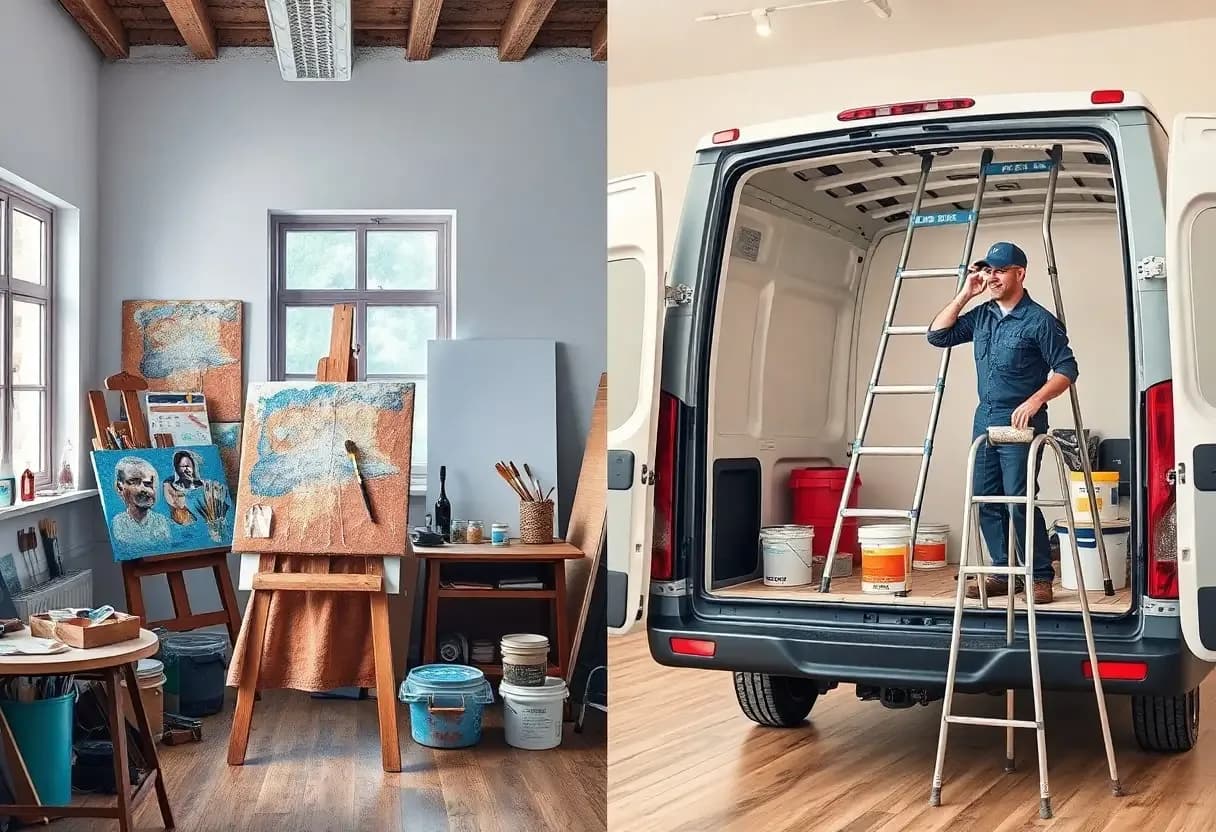
The Difference Between a Painter and a Professional Painting Contractor
Knowing the difference between a painter and a professional painting contractor helps homeowners make smarter hiring decisions and avoid costly surprises.