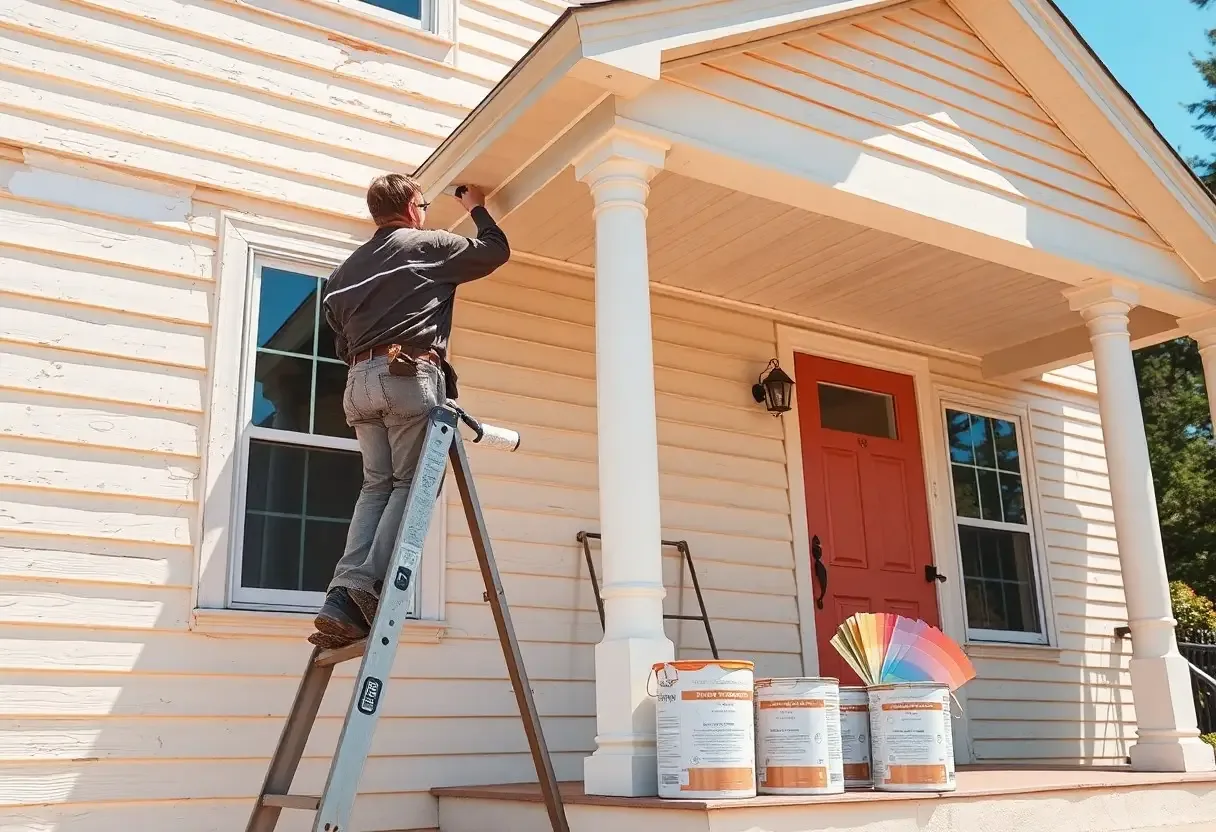
Your home's exposure to relentless sun demands smart exterior painting choices. You need UV-resistant paint with elastomeric properties to handle expansion and contraction. Proper surface prep, priming, and choosing lighter, reflective colors extend paint life. You protect both curb appeal and structural integrity by selecting the right materials and timing your project wisely.
Key Takeaways
Acrylic elastomeric paints offer superior flexibility and durability, bridging small cracks caused by sun-induced movement.
South- and west-facing walls absorb the most intense, prolonged UV rays and need the most UV-resistant coatings.
Lighter, reflective colors significantly extend paint life compared to dark hues that absorb and amplify heat damage.
Catching early signs of failure — peeling, fading, chalky residue — means simpler repairs and longer-lasting protection.
The Selection of the Paint
You need a paint that resists UV degradation and heat expansion. Acrylic elastomeric paints offer superior flexibility and durability, bridging small cracks caused by sun-induced movement. Dark colors absorb more heat, accelerating wear, so lighter, reflective shades protect your siding longer. Always check manufacturer ratings for sun exposure and choose products labeled for high-UV environments.
The Work Before the Brush
You can't skip prep and expect paint to last under relentless sun. Surface failure starts with poor cleaning or missed repairs, not fading. Start by washing away chalk, dust, and mildew with a quality cleaner and stiff brush. Inspect every inch for cracked caulking, rot, or peeling—these flaws worsen fast in heat. Repair with exterior-grade materials made for expansion. Sand rough spots smooth so the coating bonds evenly. A clean, sound, dry surface doubles paint life when UV rays attack daily.
The Movement of the Sun
You face different sun exposure depending on which side of your home you're painting. South and west walls absorb the most intense, prolonged UV rays, accelerating paint fading and cracking. Morning sun on the east is gentler, but still contributes to wear over time. Understanding daily sun patterns helps you choose coatings that resist heat and UV damage where they're needed most.
The Truth of the Colors
You might assume darker hues look richer, but they absorb dangerous levels of heat that accelerate paint failure. Every time the sun hits those deep tones, your siding expands and contracts, leading to cracks and peeling. Lighter colors reflect UV rays, significantly extending the life of your paint. Choosing the right shade isn't just about aesthetics—it's about protecting your home's exterior from relentless solar damage.
The Laying of the Coat
You control the durability of your paint job with how you apply the first coat. Uneven thickness leads to premature peeling, especially on sun-exposed walls. Use a high-quality brush or sprayer, and maintain a wet edge to prevent lap marks. Never let the paint dry between sections—this creates visible seams and weak spots. Work in shaded areas when possible, and follow the manufacturer's coverage guidelines to ensure a uniform, long-lasting finish.
The Watch Over the Walls
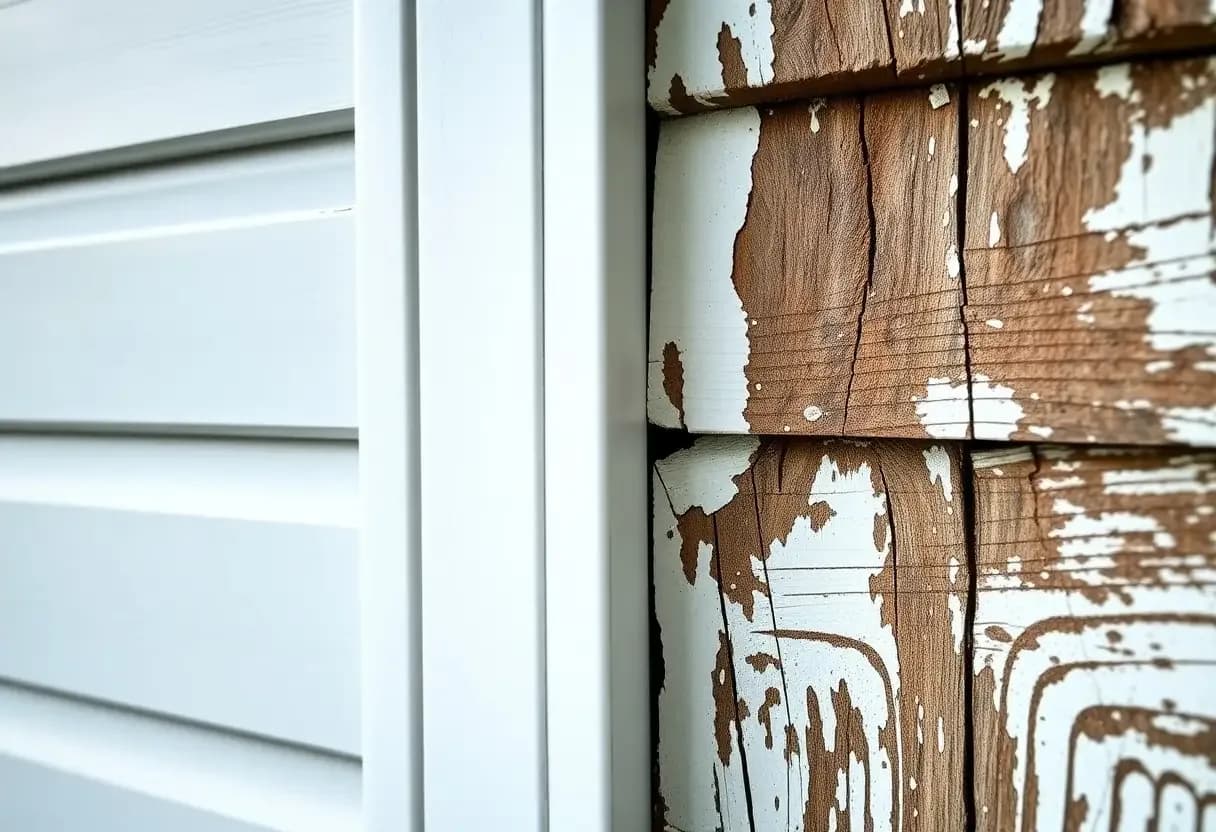
You can't afford to ignore early signs of paint failure when your home faces relentless sun exposure. Peeling, fading, and chalky residue are red flags that UV damage is weakening your exterior. Inspect siding and trim every few months, especially on south- and west-facing walls. Catching deterioration early means simpler repairs and longer-lasting protection. Letting small issues slide invites costly damage to underlying materials.
Frequently Asked Questions
What type of paint should I use on a home that gets intense sun exposure?
Acrylic latex paint with UV-resistant properties is the best choice for homes in direct, prolonged sunlight. This type of paint expands and contracts with temperature changes, reducing cracking and peeling. Look for paints labeled with high chalk resistance and fade protection—these additives help maintain color and finish over time. Lighter colors also perform better under strong sun, as they reflect heat instead of absorbing it like darker shades.
How often should I repaint the exterior of my house in a sunny climate?
Most homes in high-sun areas need repainting every 5 to 7 years, depending on paint quality and surface material. Wood siding may require more frequent attention, especially on south- and west-facing walls that absorb the most heat. Signs like fading, chalking (a powdery residue when touched), or small cracks mean it's time to consider a new coat. Regular cleaning and inspections every year can extend the life of your paint job.
Can priming really make a difference when painting sun-damaged walls?
Yes. Applying a high-quality primer is necessary when painting over surfaces damaged by sun. UV exposure breaks down paint and wood fibers, leaving a porous, uneven surface. A bonding primer seals these areas, improves paint adhesion, and blocks moisture from getting trapped underneath. For best results, use a stain-blocking, exterior-grade primer after cleaning and sanding damaged spots. Skipping this step often leads to premature paint failure.
Summing Up
From above, your home's exposure to relentless sun demands smart exterior painting choices. You need UV-resistant paint with elastomeric properties to handle expansion and contraction. Proper surface prep, priming, and choosing lighter, reflective colors extend paint life. You protect both curb appeal and structural integrity by selecting the right materials and timing your project wisely. For expert help with your sun-beaten exterior, contact our exterior painting team at Desler Painting — call (443) 684-4101 or email deslerpainting@gmail.com.
More reading
More From the Crew
Exterior Painting7 min
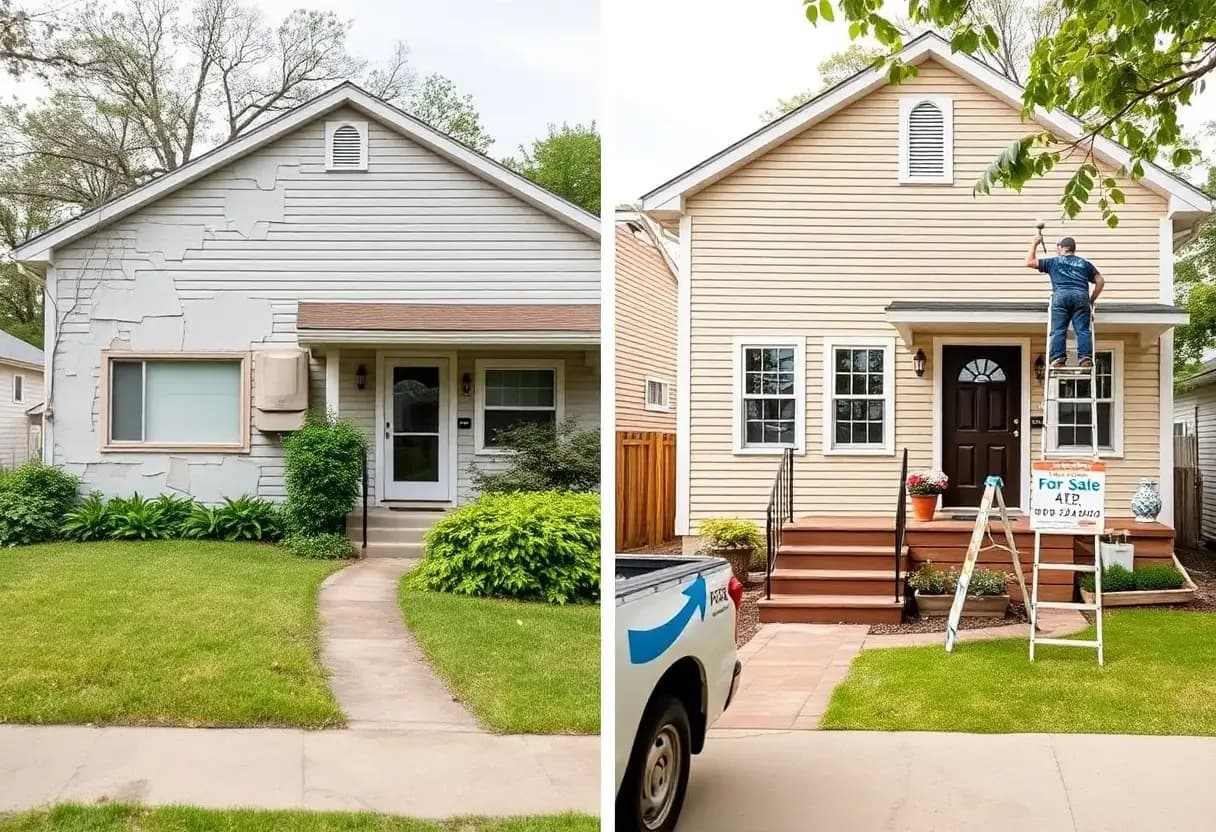
How a Professional Paint Job Can Increase Your Home's Value
A well-executed professional paint job is one of the most cost-effective upgrades you can make — boosting curb appeal, protecting surfaces, and signaling careful maintenance to buyers.
Interior Painting7 min
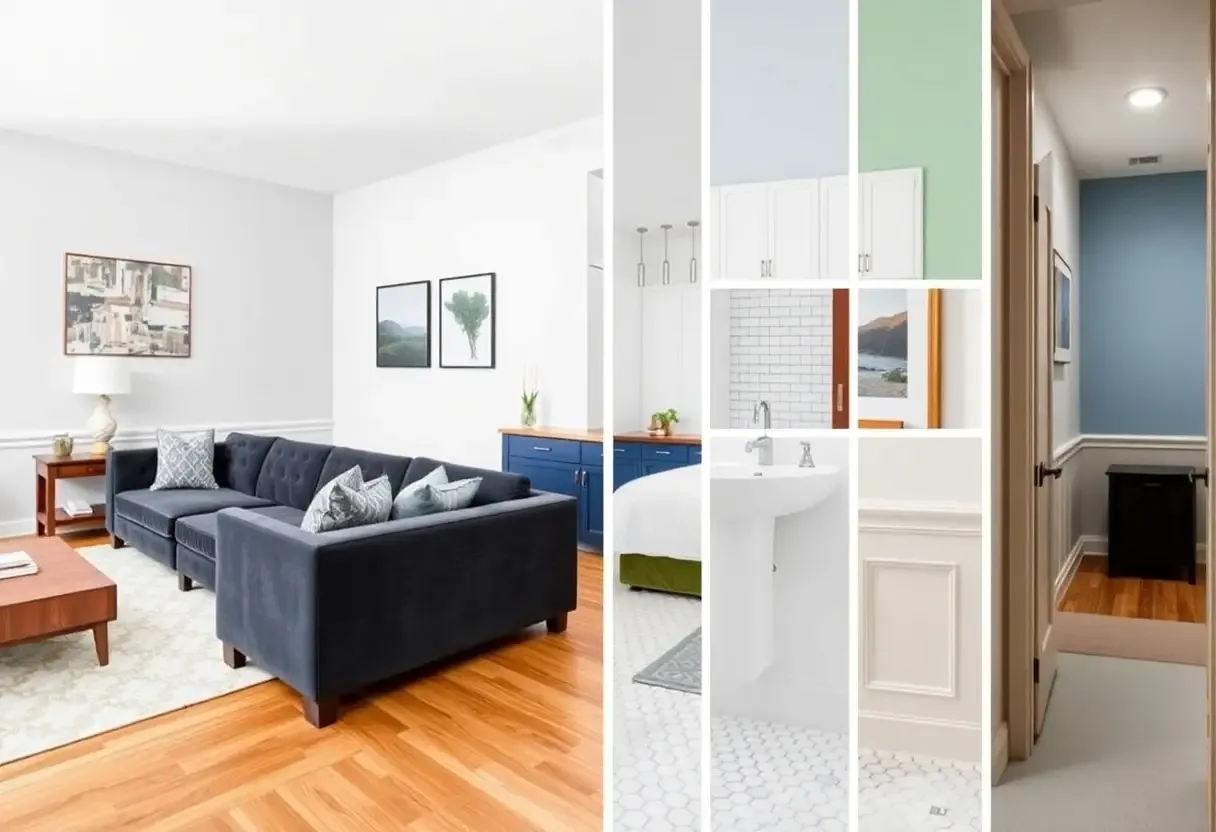
Room-by-Room Interior Painting Ideas for a Fresh New Look
Strategic color choices transform every room — from the living room salon to the bathroom bathing chamber — here are the palettes that work best in each space.
Exterior Painting4 min
How Exterior Paint Helps Defend Your Home Against Moisture Damage
Quality exterior paint is far more than color — it's the waterproof shield that keeps rain, humidity, and ground moisture from rotting your siding and walls.