
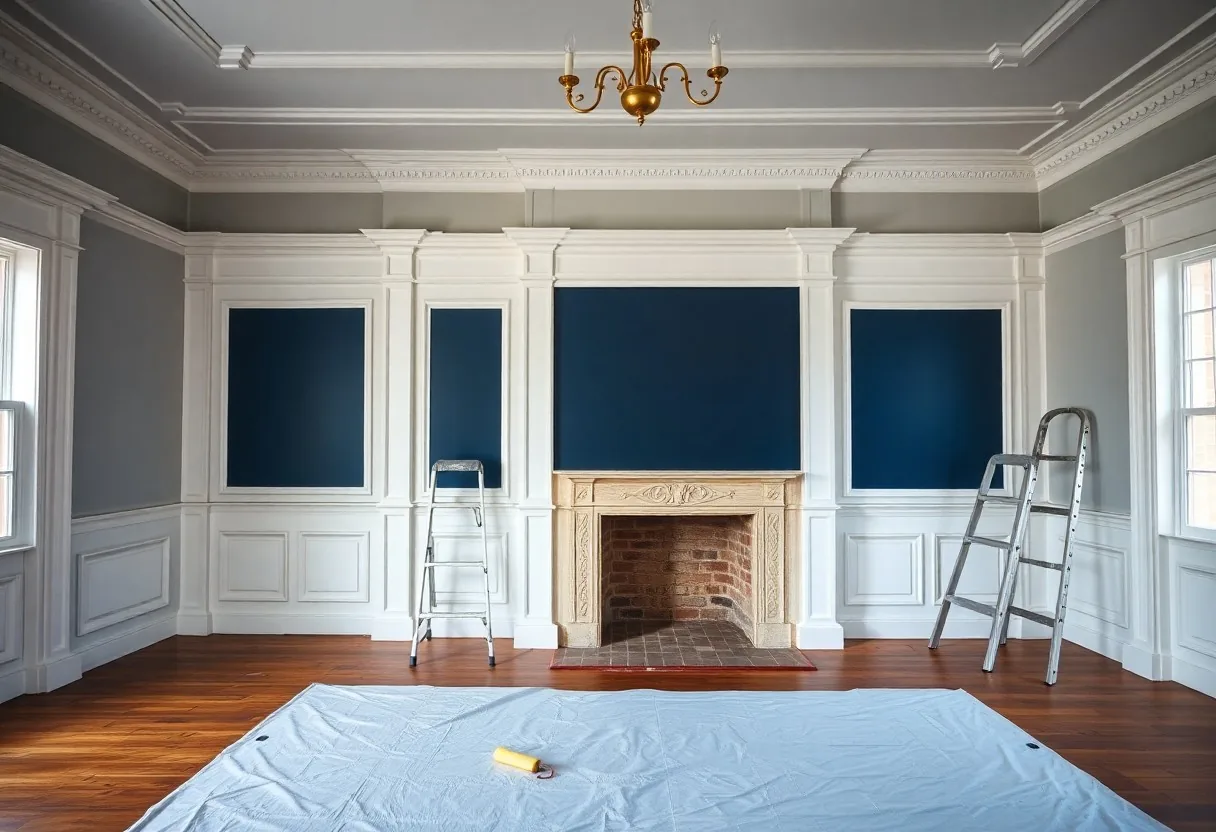
Most older homes carry charm but can feel dated without the right updates. A fresh coat of paint in modern, light-filled color palettes can transform tired spaces, making them feel larger, brighter, and renewed. You don't need structural changes—just strategic color choices that highlight architectural details while masking wear. The right finish and hue can hide imperfections and protect surfaces, giving your home a clean, revitalized look.
Key Takeaways
Cool grays, soft whites, and pale warm neutrals dissolve the heaviness common in older, enclosed spaces.
Deliberate trim colors restore the original elegance of crown molding, baseboards, and wainscoting.
Jewel-tone accent walls add richness and counteract dullness in aging plaster without overwhelming smaller rooms.
Primer is essential in older homes — oil-based stains and water marks bleed through latex paint if left unsealed.
The Alchemy of Pigment
Color transforms more than walls—it reshapes perception. With the right pigment, aging woodwork and dated layouts recede, replaced by a renewed sense of space and light. You're not just painting; you're redefining the home's essence through emotionally resonant tones that breathe modern vitality into historic bones.
Banishing the Shadows of Antiquity
Dark, enclosed spaces often cling to older homes like ghosts. You can dissolve that heaviness with cool grays, soft whites, or pale warm neutrals that reflect natural light and open up cramped rooms. A well-lit wall doesn't hide the past—it honors it while refusing to be trapped by it.
Selecting Hues with Personality
Personality matters when choosing paint. You're not chasing trends—you're selecting shades that echo the home's character while expressing your own. A muted sage in a sunlit parlor or a warm terracotta in a hallway can anchor the past and present in a single, harmonious tone.
Think beyond surface appeal when picking colors with character. A hue should feel like a natural extension of the home's architecture—crown molding, floor patterns, window proportions. Test samples at different times of day; morning light reveals cool undertones, while evening warmth can deepen a color's mood. The right shade doesn't shout; it settles in, feeling as though it always belonged, creating continuity between eras without erasing history.
The Drama of Architectural Trim
Paint transforms forgotten trim into a home's signature feature. When you highlight crown molding, baseboards, or wainscoting with a deliberate color choice, you restore the home's original elegance and depth. A well-painted trim doesn't just frame a room—it commands attention and brings aging details back to life.
Defining Character with Bold Contrast
Contrast draws the eye and defines space with confidence. By painting trim in a shade that sharply differs from the wall, you emphasize craftsmanship that modern homes often lack. Whether it's crisp white against deep charcoal or black against warm beige, this technique makes architectural lines pop with intention.
Celebrating the Geometry of the Past
Period homes boast intricate shapes often hidden under decades of paint. When you carefully uncover and repaint geometric patterns in original hues, you honor the home's design heritage. Coffered ceilings, arched doorways, and built-in cabinetry become focal points, not afterthoughts.
Revealing the geometry of the past goes beyond aesthetics—it's a restoration of intent. Those angular ceiling medallions and scalloped door frames were designed to guide light and movement through a room. By using historically accurate colors and precise brushwork, you don't just repaint—you revive the home's original rhythm and balance, making every corner feel intentional and alive.
The Illusion of Infinite Space
Painting your older home with spatial intent transforms how rooms feel and function. You can visually expand tight layouts common in historic homes by choosing finishes and hues that play with light and depth. The right palette tricks the eye, making compact areas appear larger and more open. This subtle manipulation enhances comfort without structural changes.
Utilizing Luminous Finishes
Light reflects differently across sheens, and you benefit most by selecting luminous finishes like eggshell or satin. These subtly reflective surfaces brighten interiors without the glare of high-gloss paint. They enhance natural light, making walls appear farther apart, especially in narrow hallways or low-ceilinged rooms common in older homes.
Expanding Horizons with Pale Tones
Pale tones open up enclosed spaces by reducing visual weight on walls. You'll notice how soft whites, barely-there greys, and faint blues create airiness in dated layouts. These colors reflect maximum light, giving the impression of continuous space even in segmented floor plans.
Choosing the right pale tone matters more than simply going light. Cool-leaning shades like whisper blue or icy gray can make a room feel taller, while warm whites add comfort without closing in. You should test samples at different times of day, as older homes often have uneven lighting. When done right, pale tones erase boundaries between rooms, creating a modern flow while honoring original architecture.
The Majesty of the Accent Wall
You can transform a tired room in your older home with just one bold stroke—literally. An accent wall draws the eye and creates instant depth and character without overwhelming the space. Choose a wall with natural focal points like a fireplace or built-in shelves to maximize impact.
Selecting a Singular Focal Point
One wall should command attention while the others stay neutral. Pick the wall you see first when entering the room—this strategic placement enhances visual flow and prevents cluttered energy. Your eye will know exactly where to land, giving the space a refined, intentional feel.
Embracing the Depth of Jewel Tones
Jewel tones like emerald, sapphire, or amethyst add richness and timeless elegance to older homes. These colors complement vintage architecture and counteract dullness in aging walls. A single wall in deep hue feels luxurious, not overwhelming, especially when balanced with soft neutrals.
Deep jewel tones do more than impress—they change how light interacts with your space. In older homes with lower ceilings or narrow rooms, these saturated shades can create a cozy, enveloping atmosphere. When applied to a single wall behind a bed or sofa, the color becomes a backdrop that adds dimension and sophistication, making the entire room feel curated and fresh. Matte or eggshell finishes enhance the tone's depth without amplifying surface imperfections in older walls.
The Fifth Wall Renaissance
You've likely overlooked it for years, but your ceiling holds untapped potential. Once treated as an afterthought, ceilings are now being reimagined as design anchors. Painting this "fifth wall" transforms the entire room's atmosphere, adding depth and intention. A bold choice here can redefine a vintage space without overwhelming it.
Elevating the Ceiling with Color
Color changes how a room feels, and your ceiling plays a key role. Try soft whites or warm neutrals to open up tight spaces. For drama, deep navy or charcoal can ground a high-ceilinged parlor. Even a single unexpected hue draws the eye upward, making older rooms feel taller and more modern.
Adding a Whisper of Metallic Sheen
Light dances differently on a subtly reflective surface. A hint of metallic paint—like antique gold or soft pewter—adds quiet luxury. This gentle shimmer enhances architectural details without appearing gaudy. It works especially well in dining rooms or entry halls with crown molding.
Using metallic sheen isn't about creating a disco ball effect—it's restraint that matters. A diluted glaze with mica or pearl pigment brushed lightly over a base coat catches natural light throughout the day. On plaster ceilings with age-old texture, this technique reveals hidden character, turning cracks and contours into features. Test on a small section first; the effect intensifies as it dries. Pair with matte walls to keep balance.
The Necessary Ritual of Preparation
Clean walls thoroughly before any brush touches the surface. Dust, grease, and old wax create invisible barriers that prevent paint from adhering properly. Take the time to wash with a mild detergent solution and let the walls dry completely—this simple step makes the difference between a finish that lasts and one that peels within months.
Erasing the Scars of Time
Fill nail holes, cracks, and dents with spackle using a flexible putty knife. Sand each patch until it's flush with the wall. Ignoring these flaws means they'll show through the new paint, undermining your entire effort. A smooth surface starts with honest repairs.
Creating a Flawless Foundation
Prime bare patches and stained areas to ensure even absorption. Without primer, your paint may dry with inconsistent sheen or color, especially over repaired spots. This step locks in repairs and creates a uniform base that lets your chosen color perform as intended.
Primer isn't just for fresh patches—it's necessary in older homes where years of wear leave uneven surfaces. Oil-based stains, water marks, or smoke residue will bleed through latex paint if left unsealed. Applying a quality primer blocks these impurities and improves paint adhesion, giving you a cleaner, longer-lasting result with fewer coats. Skipping it risks a patchy, unprofessional finish no color can fix.
Frequently Asked Questions
What paint colors make an older home feel brighter and more modern?
Light, neutral paint colors like soft whites, warm grays, and pale greiges open up spaces and reflect natural light, making older homes feel airy and updated. Avoiding overly cool or yellow-toned whites helps maintain a clean, contemporary look. Accent walls in muted sage, dusty blue, or warm terracotta can add character without overwhelming the space. Choosing consistent tones across rooms also creates a smoother flow, making smaller floor plans feel larger and more cohesive.
Should I paint over original woodwork in an older home?
It depends on the condition and style of the woodwork. If the trim, doors, or built-ins are in good shape and have classic detailing, painting them in a crisp white or a color that matches the walls can refresh the space while preserving architectural charm. High-gloss or semi-gloss finishes make trim stand out and are easier to clean. If the woodwork is damaged or painted poorly in multiple layers, sanding and repainting can restore its appeal. For homes with high historical value, consider keeping original wood stained and well-maintained instead.
How can I use paint to update a dated kitchen or bathroom in an older house?
In kitchens, painting cabinets in matte or satin finishes with colors like deep navy, sage green, or warm white instantly modernizes the space. Replacing hardware adds to the transformation. For bathrooms, using moisture-resistant paint on walls in soft tones like warm gray or pale blue creates a spa-like feel. Adding a painted accent, such as a patterned ceiling or a bold color on the lower half of the wall (wainscoting), draws attention away from outdated fixtures. Proper ventilation and primer are key to preventing peeling and mildew in humid areas.
Transform Your Older Home with a Professional Touch
Interior painting ideas transform older homes by refreshing spaces with modern color palettes, clean finishes, and strategic accent walls. You renew charm and character while increasing brightness and flow. A well-chosen paint job restores pride in your home, making it feel updated, cohesive, and inviting without structural changes.
Desler Painting specializes in older homes throughout Calvert County. Our interior painting services include careful surface prep, primer application, and precise trim work that older properties require. Call us at (443) 684-4101 or reach out through our contact page to schedule your free estimate.
More reading
More From the Crew
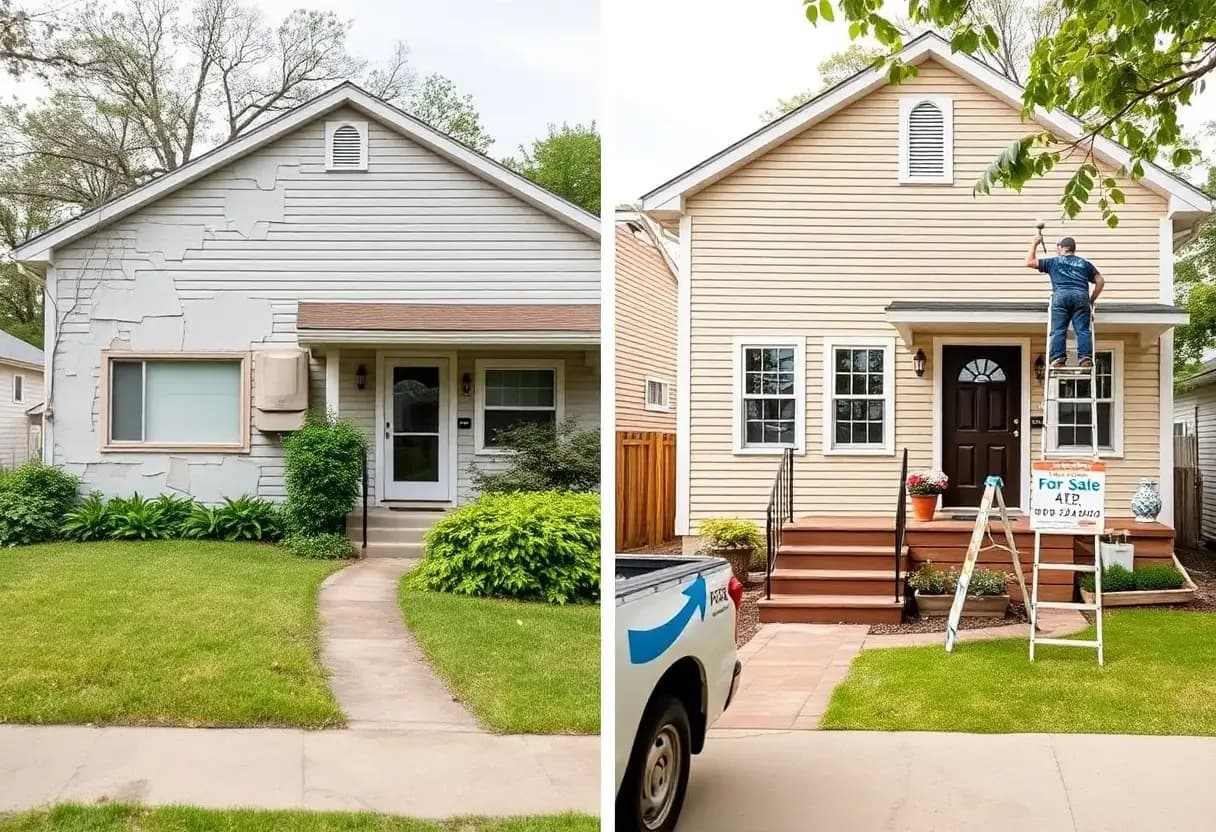
Exterior Painting7 min
How a Professional Paint Job Can Increase Your Home's Value
A well-executed professional paint job is one of the most cost-effective upgrades you can make — boosting curb appeal, protecting surfaces, and signaling careful maintenance to buyers.
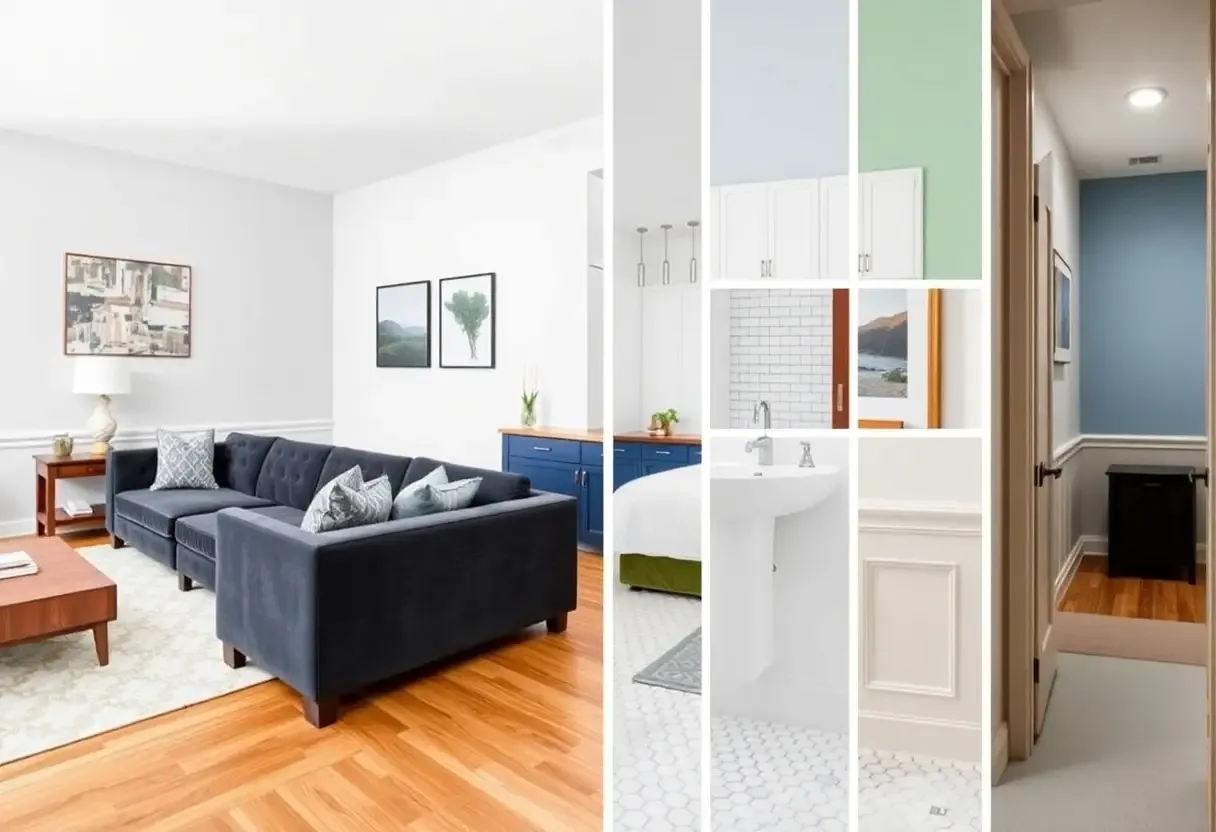
Interior Painting7 min
Room-by-Room Interior Painting Ideas for a Fresh New Look
Strategic color choices transform every room — from the living room salon to the bathroom bathing chamber — here are the palettes that work best in each space.
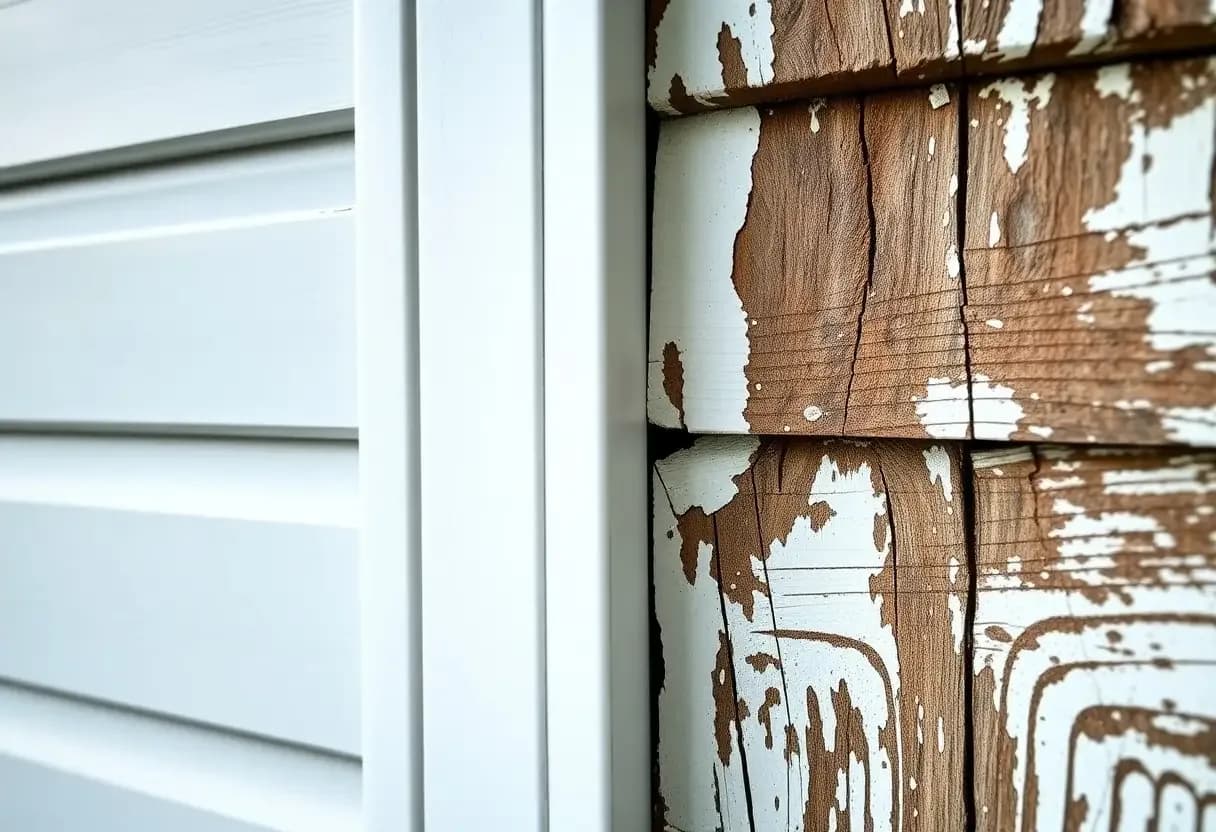
Exterior Painting4 min
How Exterior Paint Helps Defend Your Home Against Moisture Damage
Quality exterior paint is far more than color — it's the waterproof shield that keeps rain, humidity, and ground moisture from rotting your siding and walls.