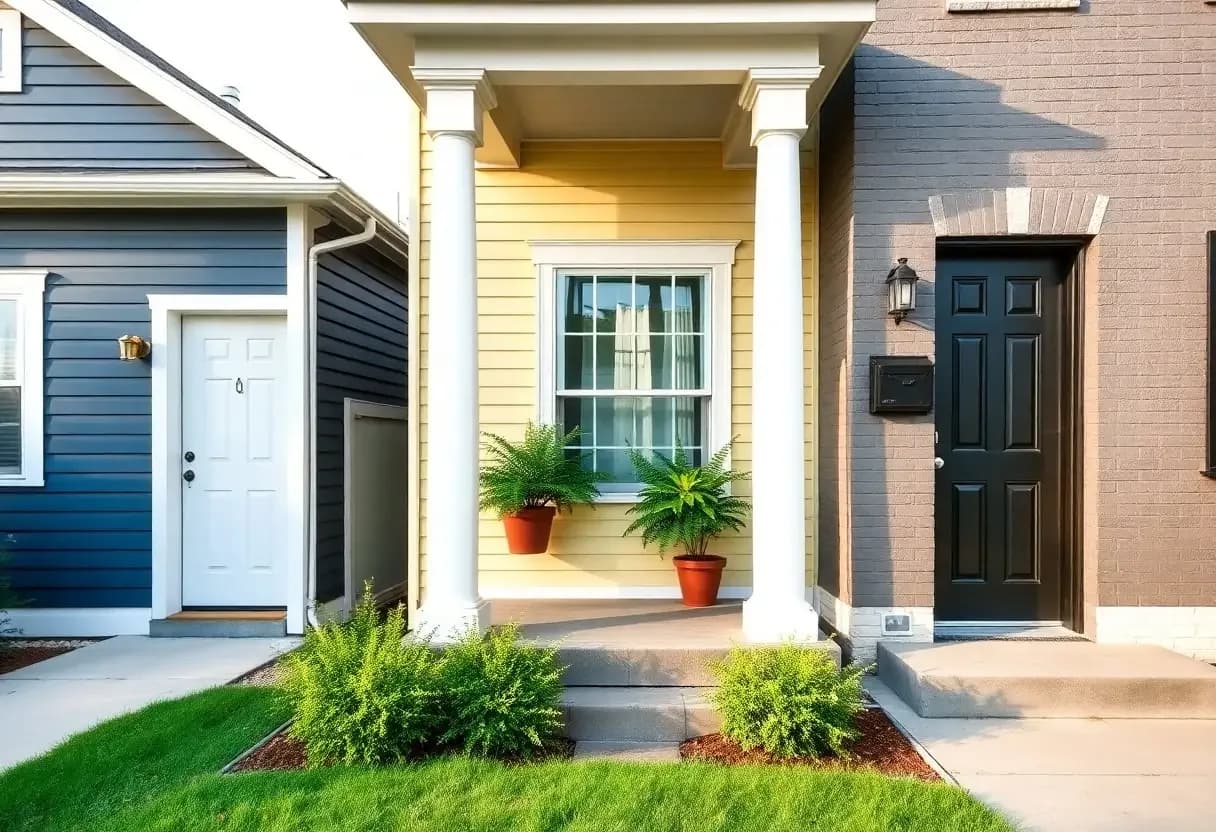
Impression begins the moment someone sees your home's exterior paint. Your color choice signals personality, mood, and even socioeconomic cues before a single word is spoken. Cool tones suggest calm and order, while bold hues can indicate creativity — or potential overstimulation. Neutral shades convey stability, but may also imply emotional distance. You're communicating whether you intend to or not.
Key Takeaways
White paint promises cleanliness but demands perfection, making every imperfection visible.
Bold colors like red or midnight blue project confidence and quiet authority at first glance.
Sage green and cool blues signal groundedness, calm, and approachable hospitality.
Your exterior palette shapes visitor perception before anyone sets foot inside.
The Immaculate Deception of White
White paint promises cleanliness and spaciousness while concealing household disorder beneath its appearance. Every imperfection becomes noticeable; every shadow appears flawed. White demands perfection, establishing standards no living space can maintain consistently. The finish becomes performative rather than functional.
The Intellectual Shield of Slate Gray
Selecting slate gray conveys composed assurance. This color doesn't shout — it commands attention through restraint. The shade reflects someone valuing straightforward thinking and minimal wasteful expression. Slate gray projects composed authority without coldness.
The Scandalous Invitation of a Red Door
A red entrance makes an unmistakable declaration. Bold red shouts confidence, passion, and a hint of rebellion. This entrance color draws attention and generates emotional response, indicating an energetic interior. Your red threshold represents commitment to what awaits inside.
The Pastoral Poetry of Sage Green
Sage green represents equilibrium appreciation. This hue wraps your home in calm resilience, evoking quiet natural landscapes. Rather than demanding attention, it invites trust through subtlety, suggesting purposeful living. Visitors sense grounded hospitality immediately.
The Relentless Optimism of Sunny Yellow
Yellow conveys unrelenting cheerfulness. Sunny yellow doesn't whisper cheer — it announces it, radiating warmth. This shade represents an outgoing, dynamic personality welcoming social interaction. Visitors feel welcomed by promised brightness.
The Aristocratic Depth of Midnight Blue
Deep blue walls indicate composed self-assurance. This shade doesn't shout wealth — it implies legacy. The color emphasizes sophistication through restraint, where complexity exists quietly. Visitors may feel respectful hesitation at entry, recognizing authority.
Final Words
Your residence's paint establishes the narrative before communication begins. Color selections establish ambiance, express personality, and influence initial reactions. Whether your palette feels welcoming or composed, it communicates a story you're controlling.
Frequently Asked Questions
Does the color of my front door or exterior paint influence how visitors perceive my home?
Color selection significantly impacts visitor perception. A bold red door might suggest energy and confidence, while a deep navy can signal sophistication and calm. Neutral options including beige and gray typically communicate stability and timelessness. Quick judgments based on color psychology occur before entry, silently expressing personal aesthetic preference.
What does it mean if my home is painted in cool colors like blue or green?
Cool-toned residences project serenity. Soft blues suggest tranquility and openness, making the space appear more welcoming. Green shades connect to natural environments, conveying groundedness and peacefulness. These selections indicate inhabitants prioritize tranquility over dramatic presentation.
Can bright or unconventional paint colors affect how neighbors or guests see the household?
Vivid yellows, deep purples, and charcoal blacks communicate individuality. A sunny yellow might feel cheerful and approachable, while a charcoal black can project modernity and bold taste. Community context shapes reactions, but unconventional selections consistently communicate distinctiveness before conversation begins.
Ready to Change What Your Home Says?
If you're ready to update your home's exterior color and make a stronger first impression, Desler Painting serves Huntingtown, Owings, Dunkirk, Sunderland, Prince Frederick, Port Republic, and Chesapeake Beach. Call Dale Miller and his crew at (443) 684-4101 or visit our exterior painting services page to get started with a free estimate.
More reading
More From the Crew
Exterior Painting7 min
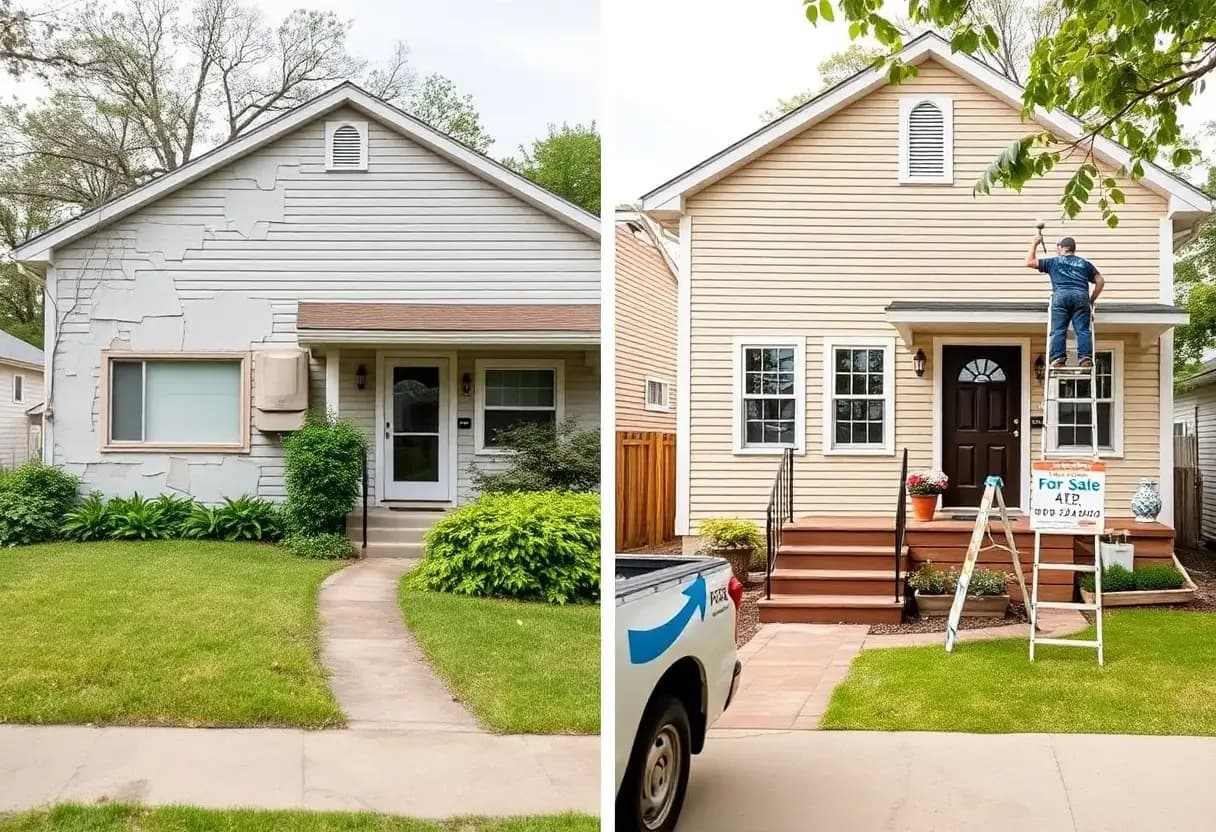
How a Professional Paint Job Can Increase Your Home's Value
A well-executed professional paint job is one of the most cost-effective upgrades you can make — boosting curb appeal, protecting surfaces, and signaling careful maintenance to buyers.
Interior Painting7 min
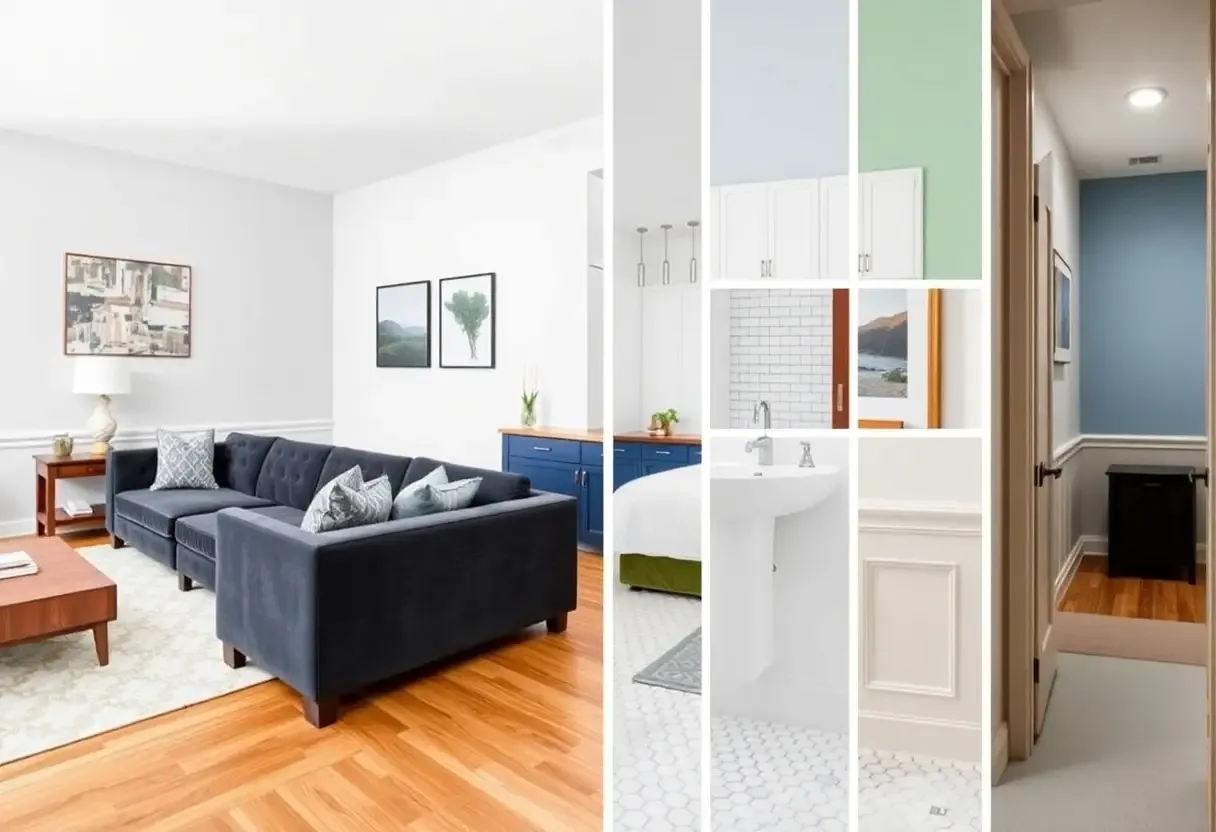
Room-by-Room Interior Painting Ideas for a Fresh New Look
Strategic color choices transform every room — from the living room salon to the bathroom bathing chamber — here are the palettes that work best in each space.
Exterior Painting4 min
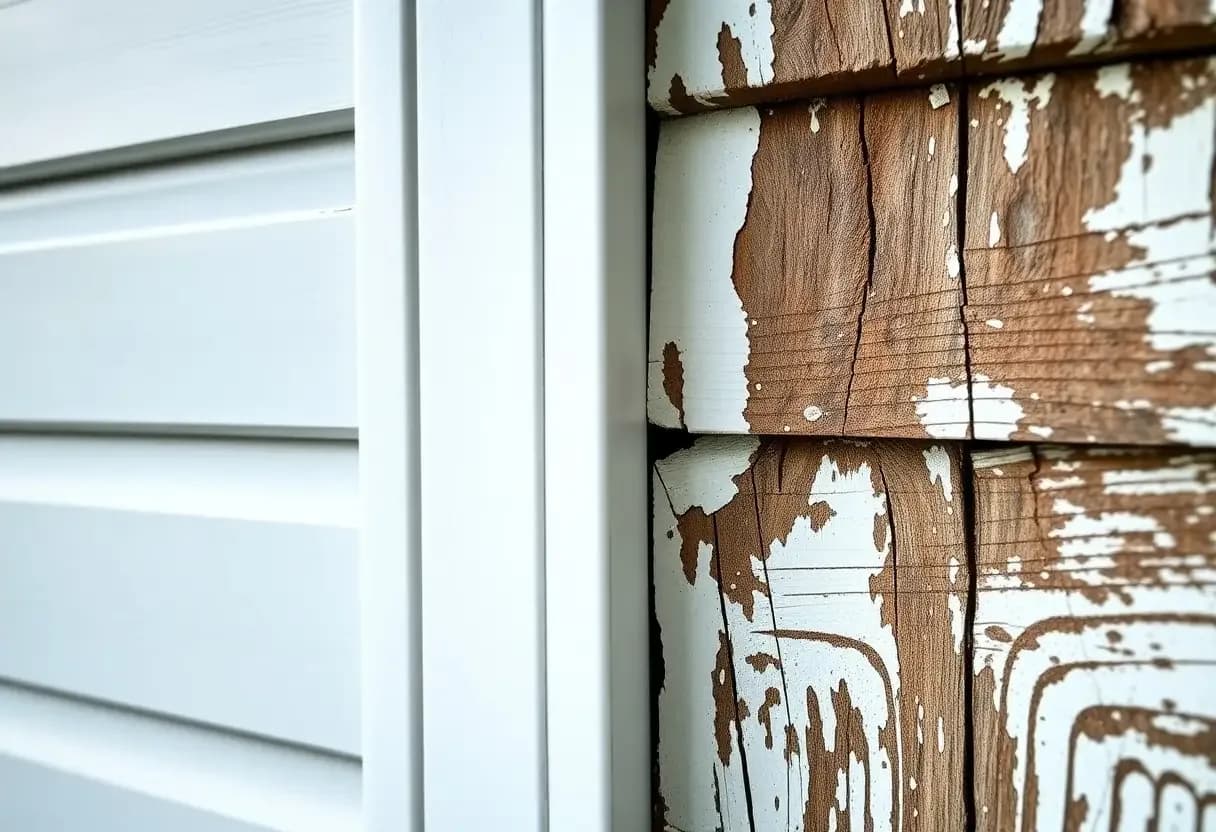
How Exterior Paint Helps Defend Your Home Against Moisture Damage
Quality exterior paint is far more than color — it's the waterproof shield that keeps rain, humidity, and ground moisture from rotting your siding and walls.